iGaming Content Marketing: Using Streamer Data to Drive Operator Growth
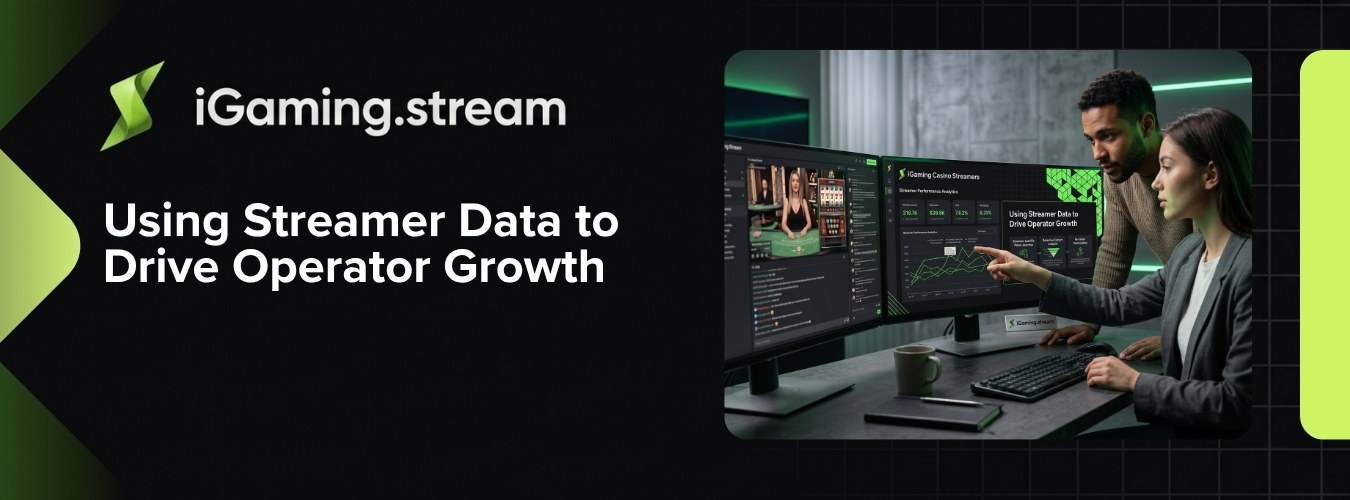
Most iGaming content strategies run on guesswork. Affiliate teams publish blog posts, buy ads where they can, and hope something sticks. The teams that are pulling ahead in 2026 do something different: they use real-time streamer data to decide what content to create, when to publish it, and which audiences to target. This guide breaks down the playbook.
1. Why Traditional iGaming Content Marketing Is Hitting a Wall
iGaming content marketing used to be relatively straightforward. You produced casino reviews, bonus comparison tables, and slot guides optimized for search engines. Google sent traffic, players clicked affiliate links, and operators paid commissions. For years, this formula worked well enough that most affiliate teams never questioned it.
That model is fracturing under multiple pressures simultaneously. Advertising restrictions across the EU, UK, and now parts of Latin America mean fewer channels for paid distribution. Google's algorithm updates consistently penalize thin affiliate content, pushing established publishers higher and burying newer sites. Players themselves have developed banner blindness after years of encountering the same offer formats, making traditional display and content ads progressively less effective.
The numbers tell the story. Organic click-through rates for casino-related keywords have declined as Google fills results with its own features, ads, and established authority sites. Cost per click for terms like "best online casino" or "slot bonus offers" has increased significantly year over year, pricing out affiliate teams without deep pockets. Meanwhile, player acquisition costs keep climbing as competition intensifies in every regulated market.
For affiliate managers overseeing iGaming affiliate marketing programs, these shifts are not abstract industry trends. They show up in monthly reports as declining organic traffic, lower conversion rates on existing content, and increasing pressure to justify marketing spend to operators.
Key Insight
2. The Shift: From Keywords to Creator-Led Distribution
The most significant change in iGaming digital marketing over the past two years has been the migration of player attention from search engines to live streaming platforms. Kick and Twitch now host thousands of gambling streamers broadcasting to millions of combined monthly viewers. These are not passive readers skimming a blog post. They are engaged viewers spending hours watching live casino content, interacting in chat, and following links shared by creators they trust.
This shift matters for content strategy because it changes the distribution equation entirely. Traditional content marketing relies on search intent: someone types a query, your page ranks, they click. Creator-led distribution works differently. A streamer plays a specific slot title, mentions a brand, or shares a link during a live session. The exposure reaches viewers who may never have searched for that brand or game but now have awareness created through a trusted intermediary.
For affiliate managers building a broader iGaming marketing strategy, this means content planning can no longer exist in isolation from influencer activity. The two channels reinforce each other when coordinated. A well-timed blog post about a game title that a partnered streamer is featuring that week will perform better than the same post published randomly. Content that references trending streamer moments captures search demand that would not have existed without the stream.
The teams doing this well treat streamers as both distribution channels and content signal generators. The stream tells you what is resonating with audiences right now. The content team translates those signals into assets that capture the demand over a longer time horizon. This closed loop between live streaming data and content production is what separates data-driven iGaming content marketing from the publish-and-pray approach that dominated the last decade.
3. How Streamer Analytics Informs Content Strategy
Using streamer data to inform content decisions requires answering three fundamental questions: which audiences are underserved, what content is generating engagement now, and where are the gaps between player demand and available content. Answering each of these questions precisely used to require hours of manual stream monitoring. Analytics platforms have compressed that into dashboard queries.
Audience analysis starts with understanding who is actually watching gambling streams. Viewer data broken down by region, language, and platform reveals where demand clusters. If your analytics show that German-speaking viewers on Kick are concentrated in evening hours between 18:00 and 23:00 CET and your content library has nothing targeting DACH players during those windows, that gap represents an opportunity. Similarly, if a particular game provider is seeing rising viewership but few affiliate reviews cover their titles, that is a content gap you can fill before competitors notice.
Engagement quality matters as much as raw viewer counts. A streamer with 500 concurrent viewers but 80% unique chatters and minimal bot activity represents a more engaged audience than one with 5,000 viewers but hollow engagement metrics. Content aligned with high-engagement streamers reaches audiences that are more likely to act, click, and convert.
How iGaming.stream Helps
Platform-level trends are equally valuable for content planning. When viewer-hours shift from one game provider to another, or when a previously niche slot category starts gaining traction across multiple streamers simultaneously, those are early indicators of emerging player interest. Content published during the upswing of a trend captures demand at its peak, while content published after the trend has peaked is fighting for scraps in an already saturated landscape.
The practical output of this analysis is a prioritized list of content opportunities ranked by audience size, competition level, and alignment with your existing streamer partnerships. Instead of brainstorming content topics from scratch every quarter, the data generates them continuously.
4. Building a Data-Driven Content Calendar Around Streaming Patterns
Most affiliate content calendars are built around editorial judgment or seasonal events. Someone on the team decides it is time for a summer bonus guide or a year-end review. These are perfectly valid content types, but they miss the timing opportunities hidden in streaming data.
Gambling streamers follow detectable patterns. Individual creators tend to stream at consistent times, feature specific game providers on particular days, and run special events (bonus hunts, high-stakes sessions, community tournaments) on predictable schedules. At a market level, viewer activity peaks at specific hours by region, and certain game categories see cyclical interest spikes tied to new releases or platform promotions.
A data-driven content calendar maps these patterns to publication timing. If your analytics show that a key streamer partner consistently features a specific provider on weekends with high viewer engagement, publishing related content Thursday or Friday captures search interest before it spikes. If your data shows that Monday mornings see a surge in searches related to weekend streaming highlights, scheduling recap content for early Monday positions you at the front of that demand curve.
How iGaming.stream Helps
Content cadence should also respond to real-time signals. When a streamer lands a massive win on a new slot title and viewer discussion spikes across chat, fast-turnaround content about that game title can capture the resulting search demand within hours rather than days. This reactive layer sits on top of the planned calendar and requires monitoring tools that surface trending moments quickly enough to act on them.
The most effective approach combines three cadences: a monthly plan built on structural market data (audience gaps, provider trends, regional opportunities), a weekly adjustment based on upcoming streamer schedules and planned events, and a daily reactive layer triggered by real-time engagement signals. Each layer uses progressively more granular data and requires different content formats, from long-form guides down to social media posts and quick news updates.
5. Content Types That Convert for Affiliate Teams
Not all content types perform equally in iGaming content marketing. The affiliate teams generating the highest return on their content investment tend to concentrate on five formats, each powered by a different slice of streamer data.
Streamer Performance Breakdowns
Data-rich profiles that show actual streaming metrics, audience composition, and engagement quality for individual creators or creator segments. These convert because operators searching for streamer partnerships want verified data, not promotional fluff. When your breakdown includes metrics like viewer-hours, gambling time percentages, and audience region splits, it becomes a reference document that operators return to repeatedly.
Market Intelligence Reports
Periodic reports covering platform trends, emerging streamers, audience migration patterns, and regional demand shifts. These are among the most linked-to and shared content types in B2B iGaming because decision-makers need ongoing market context. Weekly or monthly trend summaries built from streaming data create consistent traffic and establish authority.
Comparison and Evaluation Guides
Side-by-side analyses of streamers, platforms, or partnership models. Content like "evaluating mid-tier streamers for DACH market entry" attracts affiliate managers actively making partnership decisions. The key is grounding comparisons in quantifiable metrics rather than subjective assessments.
Due Diligence Resources
Content that helps affiliate teams vet potential streamer partners. Topics include spotting inflated metrics, verifying audience authenticity, and assessing compliance risk. These directly address the pain points that drive managers to seek analytics tools in the first place. For a deeper dive, see our guide on how to vet casino streamers.
ROI Calculators and Frameworks
Interactive tools or detailed frameworks that help affiliate managers evaluate streamer partnerships. Content that helps someone assess whether a partnership is worth pursuing gets bookmarked, shared internally at organizations, and referenced during budget discussions.
Each of these formats becomes significantly more valuable when backed by real data rather than general advice. A comparison guide that includes actual viewer-hour data and engagement scores is inherently more useful, more shareable, and more likely to rank than one built on assumptions. This is where streamer analytics directly translates into content quality and therefore into content performance.
For affiliate teams working with operators on due diligence and vetting, data-backed content also builds credibility. When your evaluation framework cites real metrics and demonstrates a rigorous methodology, operators trust your assessments more and are more likely to act on your recommendations.
6. Measuring Content Marketing ROI in iGaming
Measuring content marketing ROI in iGaming has always been challenging because the attribution chain between content consumption and player deposit is long and fragmented. A player might read a blog post, watch a stream, click a link three days later, register, and deposit a week after that. Crediting any single piece of content for the conversion is inherently imprecise.
The most effective approach uses layered attribution that tracks multiple touchpoints rather than seeking a single source of truth. First-touch attribution identifies which content pieces bring new users into the funnel. Last-touch attribution shows which pieces close the conversion. Multi-touch models distribute credit across the journey, giving a fuller picture of which content types contribute at each stage.
Streamer data adds a new attribution layer that most affiliate teams are not yet capturing. When a partnered streamer features your brand or promotes a link during a live session, the resulting traffic spike is measurable. Correlating that spike with subsequent registrations and deposits reveals the streamer-to-conversion path. When you combine this with your content calendar, you can measure whether content published in coordination with streaming activity converts at a higher rate than standalone content.
How iGaming.stream Helps
Beyond direct attribution, content marketing ROI in iGaming should also account for compounding effects. High-quality data-driven content builds domain authority over time, improving rankings for all content on the site. Evergreen resources continue generating traffic and leads months after publication. Brand recognition among operators grows with each piece of insightful content, leading to inbound partnership inquiries that are difficult to attribute to any single piece but clearly result from sustained content investment.
The metrics that matter most for iGaming content marketing teams in 2026 are: organic traffic growth by content cluster, content-assisted conversions (how many converting users touched a content page during their journey), average time from first content touch to conversion, and content production cost relative to attributed revenue. Tracking these quarterly reveals which content investments are delivering and which need adjustment.
7. Common Content Marketing Mistakes in iGaming
After working with affiliate teams across multiple markets, several content marketing mistakes appear repeatedly. Most of them stem from applying generic digital marketing practices to an industry with unique regulatory, audience, and competitive dynamics.
Publishing without data
The single biggest mistake is creating content based purely on editorial intuition or competitor imitation. If you are writing a streamer review without verifiable engagement metrics, or publishing a market analysis without actual viewership data, the content is opinion dressed as insight. In 2026, operators can tell the difference and so can search engines.
Targeting the wrong audience
Many affiliate content teams write for players when their actual conversion target is operators or other affiliate managers. B2B content about streamer marketing, partnership evaluation, and campaign optimization addresses decision-makers with budget authority. Player-facing content has its place, but the ROI calculation is very different.
Ignoring platform differences
Content that treats Kick and Twitch as interchangeable misses significant differences in audience demographics, regulatory exposure, and creator behavior. Kick skews toward high-stakes gambling content with a younger, predominantly male audience. Twitch has stricter content policies and a broader age range. Content strategy should reflect these distinctions.
No coordination with streamer activity
Publishing content in a vacuum, disconnected from what partnered streamers are actually doing, wastes the amplification opportunity. If your streamer is running a major bonus hunt session on Saturday, publishing related content the following Thursday means you missed the demand window entirely.
Overproducing low-quality content
Volume-based content strategies that churn out thin articles to cover more keywords consistently underperform against fewer, more comprehensive, data-backed pieces. One detailed market analysis with real streamer data generates more organic traffic and more conversions than ten generic articles assembled from secondary sources.
Neglecting content updates
iGaming moves fast. A streamer ranking or market analysis from six months ago may be completely outdated. Content that references stale data loses credibility and rankings. Building an update schedule into your content calendar is essential, and having access to current streamer metrics makes updates substantially easier.
Watch Out
8. Frequently Asked Questions
What is iGaming content marketing?
How is iGaming content marketing different from regular content marketing?
How do streamer analytics improve content strategy?
What content types convert best for iGaming affiliate teams?
How do you measure iGaming content marketing ROI?
Turn Streaming Data Into Content That Converts
Stop guessing which content to create. iGaming.stream gives affiliate teams the audience data, streamer metrics, and market intelligence needed to build content strategies that actually drive operator growth.